HomeBlog ISA or Pension? Choosing the Right Long-Term Investment Strategy
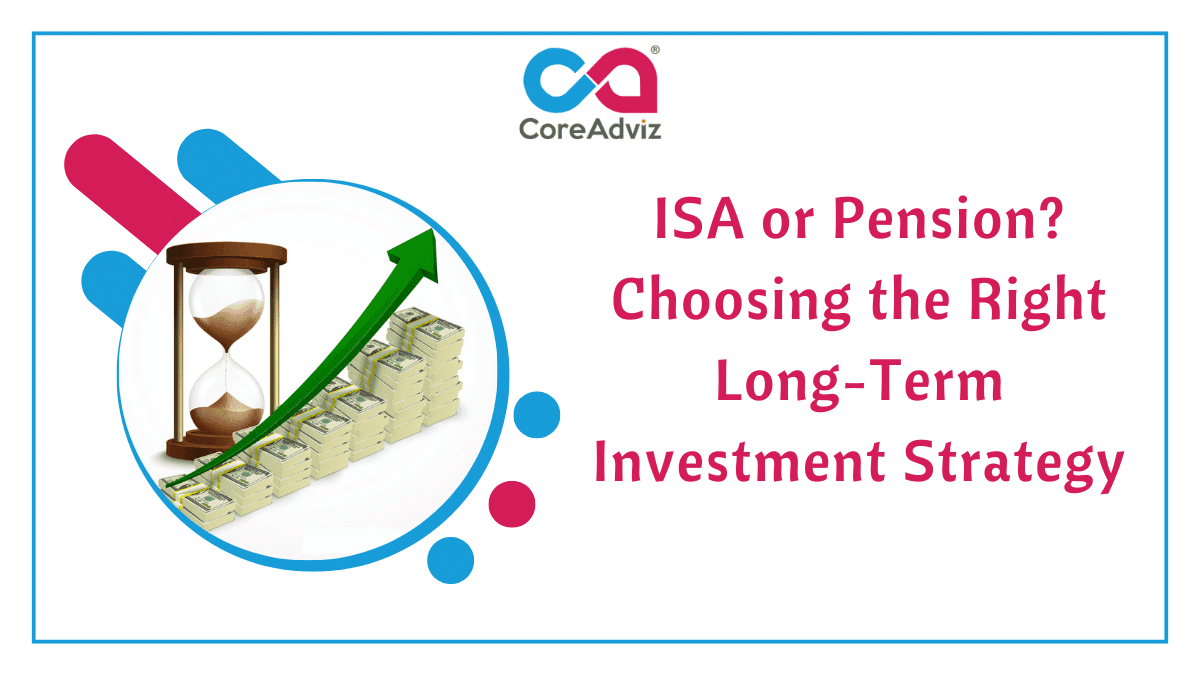
ISA or Pension? Choosing the Right Long-Term Investment Strategy

Are you planning to save or invest for your future in the UK? If so then there are two common options are left for you. One is ISAs (Individual Savings Accounts) and other one is pensions. Both help your money grow and offer tax benefits. But which one should you choose?
Before choosing any option you should know the main differences between ISAs and pensions. If it’s clear to you then you can easily pick the best investment option for your future. Basically your selection will depend on your income, goals, and how flexible you want your money to be.
What is an ISA?
An ISA (Individual Savings Account) is a tax-efficient way for UK residents to save or invest money. You don’t pay any tax on the interest, dividends, or profits you earn within an ISA.
Different types of ISAs are there. The main three ISAs are Cash ISA, Stocks and Shares ISA and Lifetime ISA (LISA).
Cash ISA:- A Cash ISA works like a regular savings account, but the interest you earn is tax-free.
Stocks and Shares ISA:- A Stocks and Shares ISA lets you invest in things like shares, funds, or bonds, and you won’t pay any capital gains or income tax on your returns.
Lifetime ISA (LISA):- This ISA will allow you to save up to £4,000 a year and receive a 25% bonus from the government—ideal for first-time home buyers or saving for retirement.
Key Benefits of ISAs
Individual Savings Accounts (ISAs) offer a tax-efficient way to grow your money, as you won’t pay any income tax or capital gains tax on the returns. They also provide flexibility, allowing you to withdraw funds at any time—though restrictions apply for Lifetime ISAs, which generally require you to be over 60 or use the funds to buy your first home. For the 2025/26 tax year, you can invest up to £20,000 in total across all types of ISAs, making them a valuable tool for both savers and investors.
What is a Pension?
A pension is a long-term savings plan aimed at helping you build financial security for retirement by providing a steady income once you stop working. Two main types of pensions are there. One is workplace pension and other one is personal pension.
Workplace pension:- This is auto-enrolled by your employer, who also contributes alongside your own payments.
Personal pension:- This pension is set up by individuals and include options like stakeholder pensions and self-invested personal pensions (SIPPs), offering more flexibility and control over how your savings are invested.
Key Benefits of Pension
Pensions offer several valuable tax advantages that make them a powerful tool for retirement planning. Contributions benefit from tax relief at your marginal rate—for example, a £100 pension contribution only costs a basic-rate taxpayer £80. If you’re enrolled in a workplace pension scheme, your employer also contributes, effectively giving you free money toward your retirement. You can contribute up to £60,000 annually or 100% of your earnings, whichever is lower, in the 2025/26 tax year. When it’s time to retire, you can withdraw 25% of your pension pot tax-free from age 55 (rising to 57 from 2028), offering both flexibility and a financial boost.
Can You Use Both?
Absolutely. Many financial advisers recommend combining ISAs and pensions as part of a well-rounded long-term financial strategy. ISAs offer flexibility and are ideal for medium-term goals like early retirement or buying a home, as funds can be accessed more easily. Pensions, on the other hand, are best suited for long-term retirement planning, especially when you can benefit from employer contributions and generous tax relief. If you’re under 40, a Lifetime ISA can also be a smart addition, offering a 25% government bonus on contributions up to age 50—perfect for saving towards your first home or retirement.