HomeBlog Green Accounting: Tracking Your Company’s Environmental Impact UK
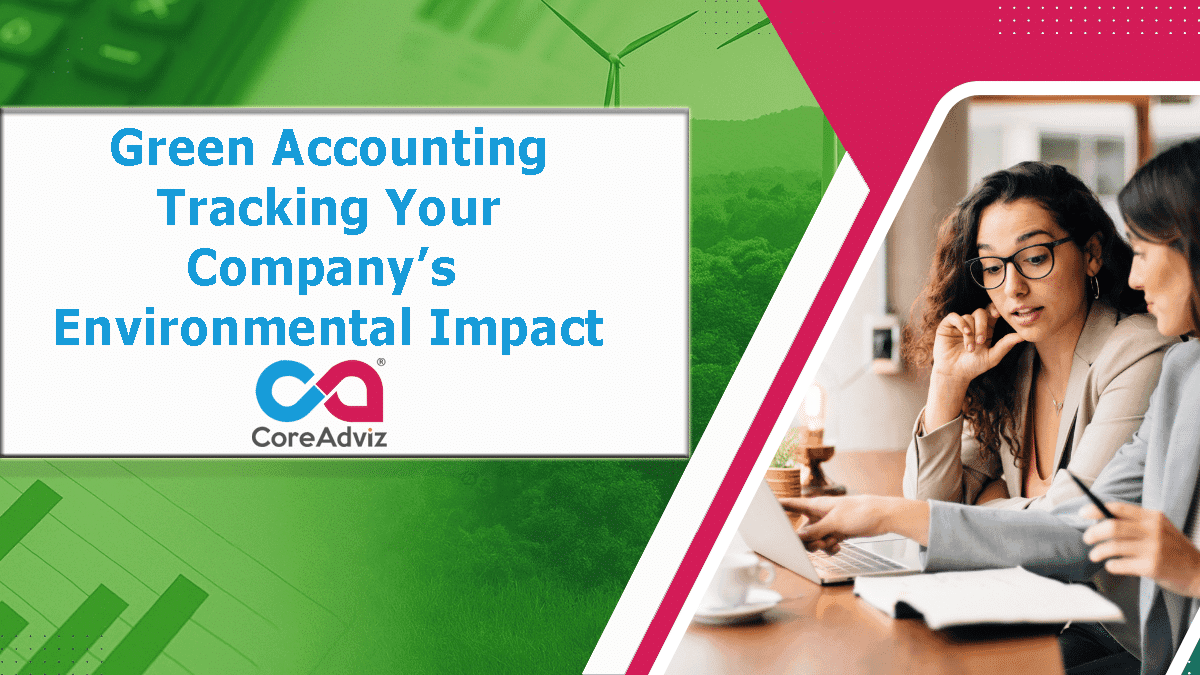
Green Accounting: Tracking Your Company’s Environmental Impact UK

In the 21st century, just making profit is not sufficient for businesses. They need to be responsible towards the environment because not only customers but investors and regulators now want the same. Green accounting is the practice of measuring and reporting your business’s environmental impact alongside its financial performance. As customers, investors and UK regulators increasingly demand sustainability, green accounting gives businesses the data they need to make responsible decisions and remain competitive.
What is Green Accounting?
Green accounting, also known as environmental accounting is a structured way to track how your business impacts the environment. Unlike traditional financial accounting, green accounting assigns measurable value to energy use, waste, pollution and natural resource consumption.
It looks at things like:
- How much energy and water you use?
- How much waste or pollution your company creates?
- How your activities affect air quality, soil, and biodiversity?
- The cost of reducing or cleaning up environmental damage?
In traditional accounting, these things are usually left out. But with green accounting, you measure them, report them, and often even give them a financial value.
Why Does It Matter?
Green accounting is not just for big corporations. Even small and medium-sized businesses can benefit. Here’s why:
- Improved Reputation
Customers across the world are now increasingly becoming eco-friendly. So, if you are able to show that you too care about your environmental impact, chances are high that they will choose you over your competitors.
- Cost Savings
When you are able to track your energy use or waste, you might spot areas having ample scope to cut your costs. For example, if you choose to replace your existing high wattage lights to LED lights or cut your paper use in your office, you could save a considerable amount gradually.
- Better Decision-Making
Green accounting gives you more information to work with. It helps you make smarter choices, like choosing suppliers who follow sustainable practices or investing in cleaner technology.
- Stay Ahead of Regulations
The UK government is introducing more climate-related rules and taxes. Businesses that are already tracking their environmental impact will be in a better position to stay compliant.
How Green Accounting Works
To understand this, let’s take an example of a small manufacturing unit where you are using electricity, water, and raw materials to make your products. Green accounting would:
- Track how much of each resource you use
- Measure how much waste or pollution is produced
- Assign a cost to that waste (for example, landfill charges or carbon tax)
- Suggest changes to reduce that impact and save money
You can then add these costs and savings into your company’s financial reports to have a clearer view of how your business is performing.
This may sound complex, but there are plenty of tools and software to help you in each and every step. Also, many accounting services for businesses now include sustainability reporting as part of their offering.
It is unfortunate that going green is still considered expensive by many entrepreneurs. Actually, it is exactly the opposite in many cases as it highlights the areas where you are spending too much. Once you know, you can stop wasting your resources and can have more savings!
Getting Started with Green Accounting for Your Business
Also, embracing green accounting will make your business more attractive to lenders and investors, especially in the UK as they are inclined to fund environmentally sustainable businesses. Starting green accounting doesn’t mean overhauling everything overnight. A simple first step is tracking your electricity bills. From there, a qualified accountant can help you build a full green accounting framework tailored to your business size and sector.