HomeBlog How to Plan for Retirement with Smart Accounting Strategies
How to Plan for Retirement with Smart Accounting Strategies

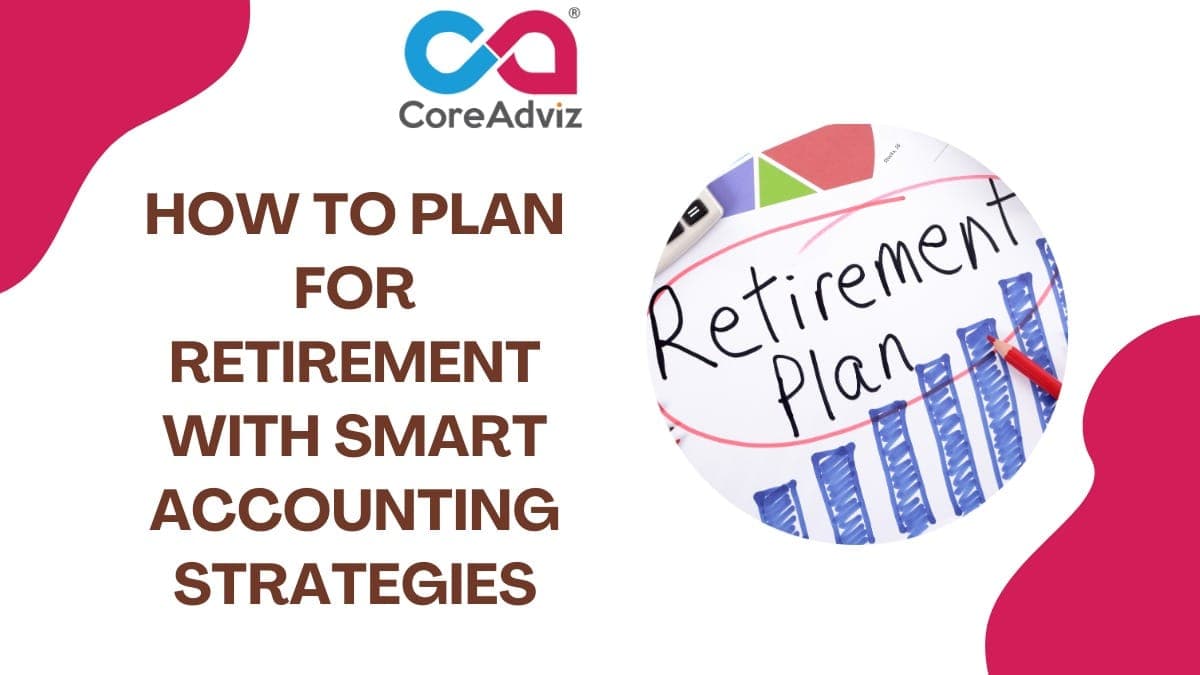
Planning for retirement is one of the most crucial financial steps in life. Saving plays an essential role in this. However, a good accounting strategy is also important to significantly enhance your retirement fund. Minimizing tax and other unnecessary expenses may help you to enhance your retirement funds. Whether you’re self-employed, a business owner, or a salaried professional, effective accounting practices can make a world of difference. A few important aspects of smart accounting strategies are as follows.
Set Clear Retirement Goals
Set your retirement goal based on the money you need after retirement. Set up a savings plan that can generate the money you need every month after retirement. Once you establish this goal use an accounting-based approach to calculate how much you need to save and invest to achieve it. The earlier you start planning, the better.
Consider the following questions:
- At what age do you plan to retire?
- What standard of living do you expect in retirement?
- What are your estimated expenses, including housing, healthcare, travel, and leisure?
- Will you have additional income sources, such as rental income or dividends?
By setting clear financial goals, you can better determine the amount you need to save and invest.
Maximize Pension Contributions
Workplace Pension
Contributing to a pension plan is one of the most effective ways to prepare for retirement. Take advantage of employer-sponsored pensions, contribute to this and increase funds for your retirement. By contributing to this pension scheme you can get tax relief too. Enrol for workplace pension under the auto-enrolment scheme. Most employers offer workplace pensions, where both the employer and employee contribute a percentage of the employee’s salary. Workplace pensions benefit from tax relief and employer contributions, making them a valuable retirement savings tool.
State Pension
The UK government provides a State Pension to eligible individuals based on their National Insurance (NI) contributions. As of 2024, the full new State Pension is approximately £214 per week, but the amount varies depending on the number of qualifying years of NI contributions.
Private Pensions
Individuals can also set up private pensions such as Self-Invested Personal Pensions (SIPPs) and stakeholder pensions to supplement their retirement income. These pensions offer greater flexibility in investment choices and potential tax advantages.
Leverage ISAs
Different types of ISAs are there. You need to understand the ISA types and their benefits before investing in it. Stocks & Shares ISA is ideal for long-term investors. Whereas Lifetime ISA (LISA) helps individuals under 40 save for a first home or retirement with a government bonus. A Lifetime ISA (LISA) can provide significant tax advantages. Avoid Stocks & Shares ISA which shields you from taxes on dividends and capital gains.
Diversify Your Investments
Relying solely on a pension scheme may not be enough. Try to diversify your investments into assets like property, stocks, and bonds. Spreading investment across different assets minimizes risk and ensures steady returns in the long run.
Make Use of Tax Allowances
Retain more of your earnings by utilizing tax allowances as much as you can. Tax allowances reduce tax liabilities and maximize savings. Make the most of your personal allowance, capital gains tax exemption, and dividend allowances and save more of your earnings for retirement.
Plan for Inheritance Tax (IHT)
Inheritance tax planning is an effective way to protect your wealth and ensure its benefits for the future. Inheritance tax (IHT) is typically seen as a financial burden, but with careful planning, it can be leveraged to help you save for retirement.
Conclusion
Retirement planning in the UK requires informed decision-making, strategic accounting, and smart investment choices. If you have any questions related to investment or any other financial plan then consult an experienced accountant or financial advisor to take full advantage of the available tax reliefs, and save more out of your earnings to enjoy a stress-free retirement with financial security and peace of mind.