HomeBlog 4 Taxes That Every Small Business Should Be Aware Of
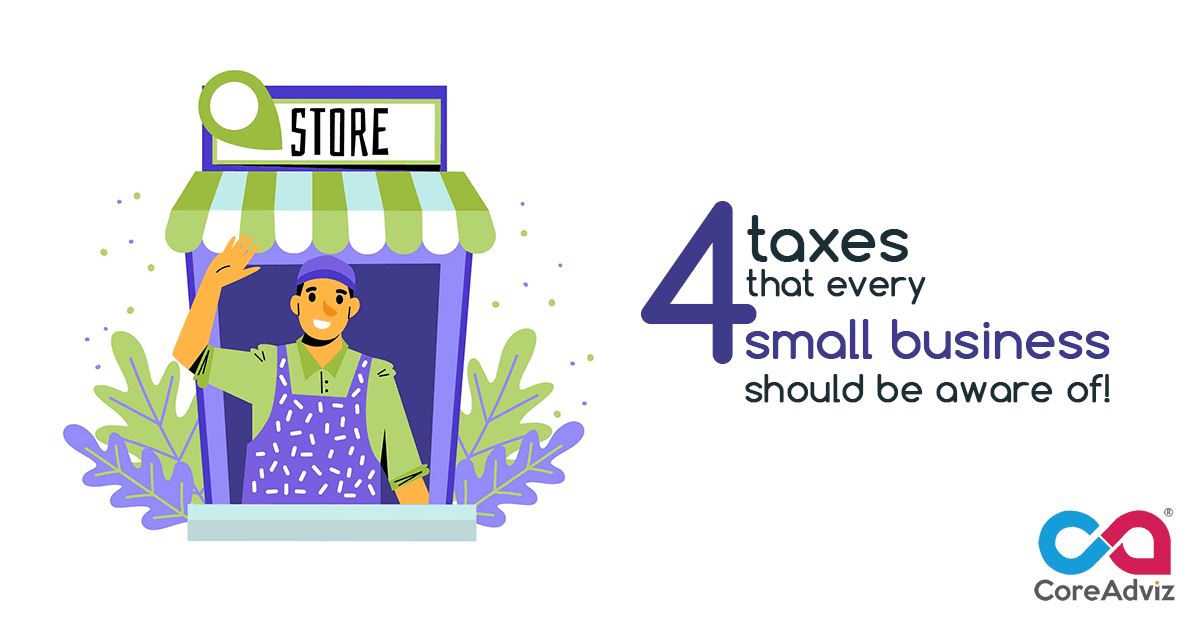
4 Taxes That Every Small Business Should Be Aware Of

As a resident of UK, you must be aware of the fact that there are several forms of taxes that is applicable to businesses. If you are among one of those who falls under the category of small business owners, then you must be perplexed with VAT, Corporation Tax, personal income tax, etc. Here is an overview from an accountant for small businesses in UK that can be of some help.
1. Income Tax
The foremost category is of income tax. In UK, irrespective of your income source, you would be required to pay income tax (if your annual income exceeds a given amount ). As a sole trader of a small business, you would be required to pay income tax on your annual income, provided it exceeds £12,570 in a tax year (as per 2020-21 guidelines). The rate of tax would increase with your income and the slab currently reads as:
These rates are only applicable if you are under the age of 75 years.
2. Corporation Tax
If you run a small business via forming a private limited company, then you are required to pay corporation tax on the profits generated by the company. The current rate of corporation tax in the UK is 19%. It is due after nine months and one day after company’s accounting year.
However, if you are a sole trader of a small business then corporation tax is not applicable on you.
3. VAT
Value Added Tax (VAT) is one of the most common forms of tax in the UK. The rule of thumb says that if your business, irrespective of whether its sole trading, partnership, LLP or a private company, makes sales where charging VAT is compulsory, then you are liable to pay VAT.
Companies whosesales does not exceed £85,000 in a tax year are exempted from registering for VAT. In other words, if your entity makes sales worth £85,000 or more, then it is mandatory for you to get registered with VAT and pay the same to the HMRC.
4. National Insurance
Though this is not a form of tax, small businesses are required to make mandatory contributions to the Government under the name of National Insurance (NI). As a sole trader, you would be either paying Class 2 NI or Class 4 NI.
In Class 2 NI you pay a flat weekly rate of £3 per week, if the profit is within £6,205 – £8,631.
In Class 4 NI you pay 9% of your business profits, if the profit is within £8,632 – £50,000. For any income that exceeds £50,000, an additional of 2% needs to be paid.
If you run a small business where you employ people under you, then contribution will be made under Class 1 NIC – this will include primary contribution from the employeeand secondary contribution from the employer. The rate varies as per pay scale of the employees.
Given the different forms of taxes that prevail in UK, assistance from an accountant for small business can help you manage compliance, plan your taxes and ensure timely submission of returns. For any queries related to taxation for small businesses, feel free to get in touch with us.