HomeBlog Why ESG Reporting Matters Even for Small Businesses
Why ESG Reporting Matters Even for Small Businesses

Reporting on environment, sustainability, and governance issues (ESG) shouldn’t only be applied on the big players of the economy – small businesses ought to be looking at these issues just as strategically. For small businesses, the process might seem overwhelming but proper ESG planning can greatly assist the business to not only grow their revenues while helping reduce business expenses, but also increase their long-term operational resilience. Without doubt, ESG reporting is not just another compliance document. For small business owners, it can be an invaluable asset to defining their ethos, risk mitigation strategy and planning for a sustainable operation
What is ESG Reporting?
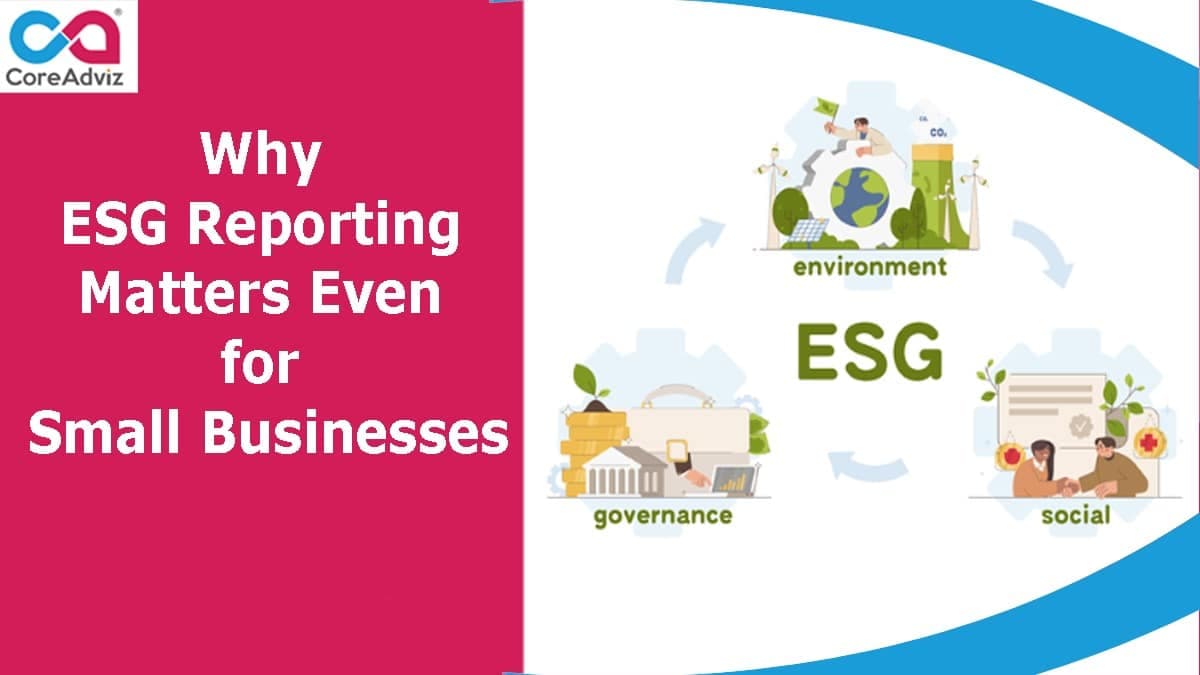
ESG reporting involves providing details on a business’s activities and impacts from an environmental, social, and governance (ESG) perspective, particularly the non-financial impacts.
Environmental (E): The ‘E’ looks at what a business does that has a more negative impact on the world and the ‘natural environment’. These could be carbon dioxide emissions, energy and water used, waste produced, and sustainable sourcing.
Social (S): The ‘S’ focus on what a business does to relate with its internal and external customers, as well as the area the business operates in. These could be labour practices and conditions, health and safety, as well as community involvement.
Governance (G): The governance practices of an organization focuses on the leadership of the organization, its internal management structure and its ethical practices. This could be in relation to board diversity, executive connection and compliance policies.
How Small Enterprises Can Benefit from It
1. Easier to Obtain Capital
Regardless of the industry’s size, having an ESG policy can bolster a company’s attractiveness to investors. Venture capitalists and even banks providing sustainability-linked financing are gravitating towards these businesses. Resilient ESG practices increase the company’s ESG score and thus reduces the company’s risk exposure. This makes the company more appealing and ensures a better competitive advantage. Sustainability-linked financing banks consider ESG factors in the financing terms and structure.
2. Increasing Employee Loyalty
Strong ESG principles can build a company’s positive reputation in the industry. This attracts the best employees available. Having a robust company culture means that work will get done more efficiently in teams. This reduces the company’s operational costs further. Purpose-driven employees’ company loyalty further means that the overall costs for the business are reduced.
3. Greater Customer Loyalty and Improving Brand Image
Spend financially irresponsibly or pay for an unsustainable business: these are the two extremes. Shoppers are more aware of how and where they spend their resources. Dedicated customers are keen to support purposeful businesses and uplifting ESG endeavours. Your adopted ESG practices will generate your reputational risk. Proper risk management and positive reputation will work in your favour. Transparency in your approach will further strengthen relationships with your clientele base.
4. Enhancing Operational Efficiency and Cost Cutting
ESG reporting on the environmental and energy footprint makes you scrutinize your resource expenditure and spend. This scrutiny can uncover opportunities for increased efficiencies sometimes associated with positive cost savings.
5. Risk Management with Enhanced Business Continuity
Taking ESG reporting into account, small businesses are able to tackle a deal of these challenges beforehand, identifying the problem and implementing solutions that help mitigate the risks prior to any massive damage happening.
Conclusion
The size of your business should not keep you from adopting ESG reporting. It is not merely a compliance issue that needs to be ticked off for corporations, but a value-generating asset. By openly illustrating your dedication to ethical and sustainable practices, you can strengthen trust with customers, attract quality employees, and access new funding. Overall it protects the longevity and relevancy of your small business.