HomeBlog Does My Employer Have to Give Me a P11D?
Does My Employer Have to Give Me a P11D?

If you’ve received a company car, private health insurance, or other workplace perks, you might be wondering whether your employer has to give you a P11D. The short answer is yes, in most cases. A P11D form records the taxable benefits you’ve received beyond your salary, and HMRC requires your employer to provide you with a copy. In this guide, we explain what a P11D is, who it applies to, and what you should do if you haven’t received one.
What Is a P11D(b) Form and Do Employers Need to Submit It?
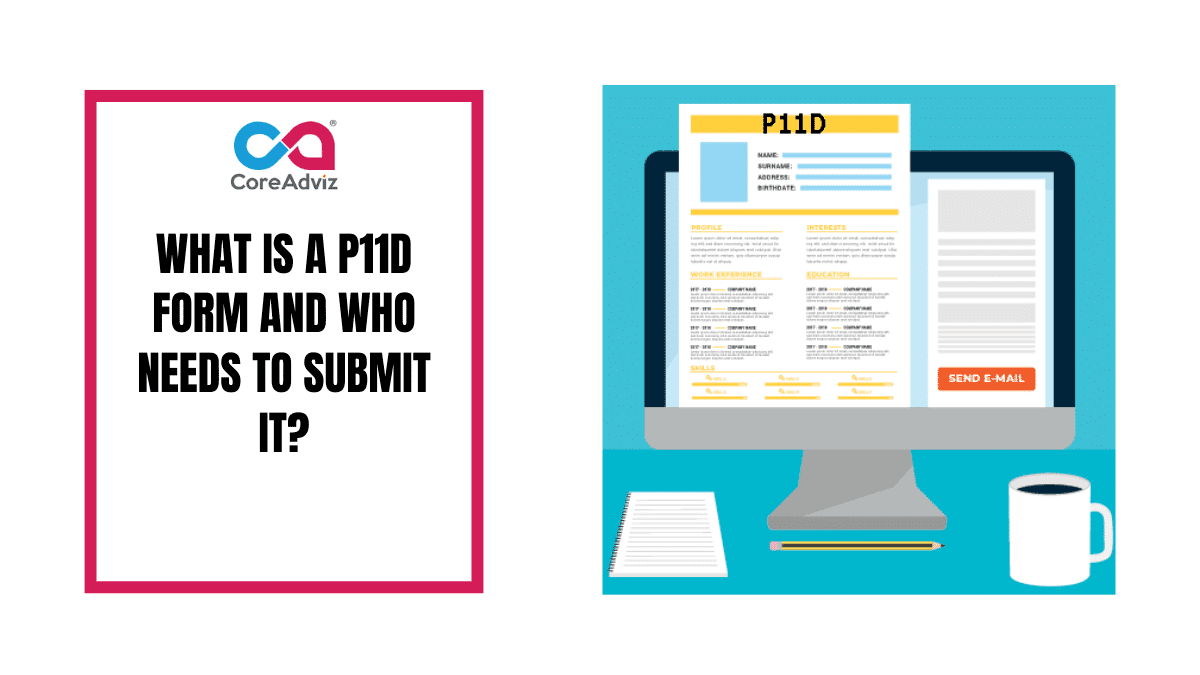
A P11D form is a document used by UK employers to report expenses and benefits provided to employees and directors in addition to their salary. These are often known as “benefits in kind”. Some of such benefits are as follows:
- Company cars
- Private health insurance
- Interest-free or low-interest loans
- Living accommodation
- Relocation expenses over £8,000
- Gym memberships or club subscriptions
The P11D is submitted to HMRC (HM Revenue & Customs) annually to ensure that the right amount of tax and National Insurance is paid on these additional benefits.
Who Needs to Submit a P11D — Employers & Employees Explained
Every employer needs to submit P11D form for their employee. Employer need to submit this form if they provide extra benefits like a company car or private health insurance to their employee and if the respective employee earns £8,500 or more a year (including the value of those benefits). They also need to send the form if any expenses or benefits they provide are not tax-free or don’t fall under HMRC’s approved list of exemptions covered by HMRC’s exemptions.
Does My Employer Have to Give Me a P11D?
Yes — if your employer has submitted a P11D to HMRC on your behalf, they are legally required to give you a copy by 6th July following the end of the tax year.
As an employee, your P11D copy is important because:
It tells you what taxable benefits have been reported to HMRC in your name
It affects your tax code and how much Income Tax you pay
You may need it to complete a Self Assessment tax return
What if my employer hasn’t given me a P11D?
If you believe you received taxable benefits but haven’t received a P11D, you should first ask your employer or payroll department. If they fail to provide it, you can contact HMRC directly on 0300 200 3300 or report the issue via your Personal Tax Account at gov.uk.
What Is a P11D(b) Form?
In addition to the P11D form, employers may also need to submit a P11D(b) form. This form is used to show how much Class 1A National Insurance is owed on the benefits given to employees and to confirm that P11D forms have been completed for everyone who received taxable benefits.
What Expenses Are Exempt?
You don’t have to report all benefits or expenses. Some are tax-free and covered by HMRC’s exemptions, like:
- Travel costs for work
- Fees or subscriptions needed for the job
- One mobile phone per employee
- Parking at the workplace
- Uniforms or safety clothing
If something is exempt, you don’t need to include it on the P11D form, but it’s important to keep clear records.
P11D Deadline 2025–26: Key Dates for Employers and Employees
The P11D form is due after the end of the tax year. Here are the key dates to remember:
5 April – End of the tax year
6 July – Deadline for submitting P11D and P11D(b) forms to HMRC
6 July – Deadline for giving copies to employees
22 July – Deadline for paying Class 1A National Insurance (or 19 July if paying by post)
Missing the deadline can result in penalties, so it’s important for employers to stay on top of their obligations.
How to File a P11D
There are several ways employers can submit the P11D forms:
- Online via HMRC’s PAYE Online Service
- Payroll software that supports P11D submissions
- Third-party accountants or payroll providers
Using accounting professionals can reduce errors and help ensure compliance.
HMRC Penalties for Late P11D Submission — What Employers Must Know
If you don’t file the P11D or P11D(b) on time, or if you file them incorrectly, HMRC may charge penalties. Here’s the details how penalties will be charged for late submission of P11D.
- £100 per 50 employees per month for late submission of P11D(b)
- Interest and penalties on unpaid Class 1A National Insurance contributions on employee benefits
- Penalties for providing incorrect information
Conclusion
The P11D is more than a formality. It directly affects the amount of tax you pay on your workplace benefits. Employers who provide taxable perks must issue a copy of the P11D to each employee by 6th July every year. Always verify that your P11D correctly reflects the benefits you have received. For employers unsure about their P11D obligations, CoreAdviz’s specialist UK accounting team can manage your submissions accurately and on time, helping you stay clear of costly HMRC penalties.