HomeBlog National Insurance – Is It Essential for UK Citizens?
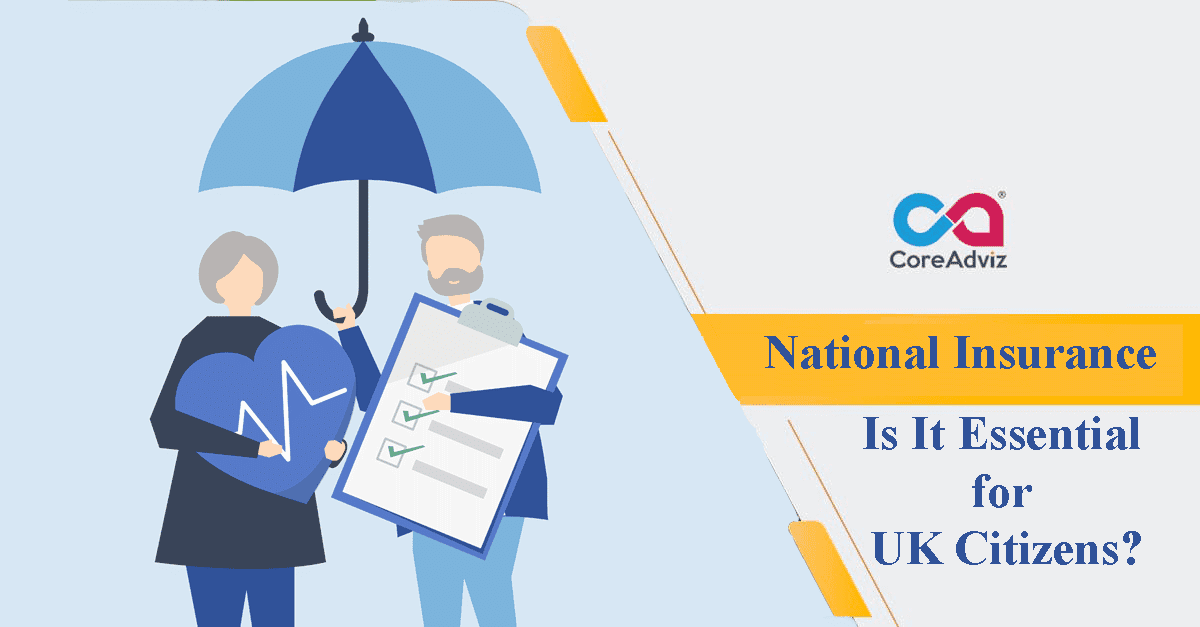
National Insurance – Is It Essential for UK Citizens?

In the UK, National Insurance is a type of tax that employees, employers and even self-employed individuals of age more than 16 years had to contribute to enjoy certain state benefits like State Pension and Maternity Allowance. The question is whether it is essential for UK citizens, and the answer is an absolute yes! However, some factors can influence the level of contribution that one has to make to national insurance. These factors are employment status, age, earning level, and status of residence. Here it is essential to mention that if you refrain from contributing to the National Insurance, it will be considered illegal, and you will certainly not qualify for some state benefits. Now the question is how HMRC will track whether you have paid the national insurance payment or not , and it is by the National Insurance number.
What is National Insurance Number?
Issued by the Government of UK, this is a unique number. Every citizen above 16 years living and working in the UK gets this number by which the UK government tracks their tax records and checks whether they are entitled to state benefits.
Now if you have not received this alphanumeric number, you must apply for the same as soon as you commence working in the UK and attain the age of 16 years.
How much payment for the National Insurance?
The amount of national insurance payment largely depends on the classes of National Insurance.
Class-1-Employees who enjoy a weekly earning of £242 to £967 pay this type of national insurance at a rate of 13.25%. Also, they must be under the State Pension Age. However, the rate is less if the weekly earnings are more than £967.
Class-2-Self-employed individuals who enjoy yearly profits of more than £6,725 pay this type of national insurance at the rate of £3.15 per week. It is noteworthy that if they are earning profits of less than £6,725 in a year, they can pay voluntarily to fill the gaps in their national insurance record.
Class-3-UK citizens willing to fill the gaps in their national insurance records pay this type of national insurance voluntarily. The maximum amount of weekly contribution under this class is £15.85 for those who are not working.
Class-4-For self-employed UK citizens earning profits of 11909 or more, the contribution is at the rate of 10.25%.
Also, you may invite penalty by the HMRC, and you will have to pay your national insurance contribution within 30 days. If the penalty is not paid or you choose to ignore the HMRC notice, the penalty will become more! After six months, it will increase by 5%. Even then, if it is not paid, it will increase by another 5% after one year.
National Insurance payments form a large part of the UK government revenues. If you are working both as an employee and a self-employed person, national insurance will be deducted from your wages under Class 1. Apart from this, you will also have to pay Class 2 or Class 4 National Insurance, whichever is applicable.