HomeBlog National Insurance Contributions in the UK – An Insight
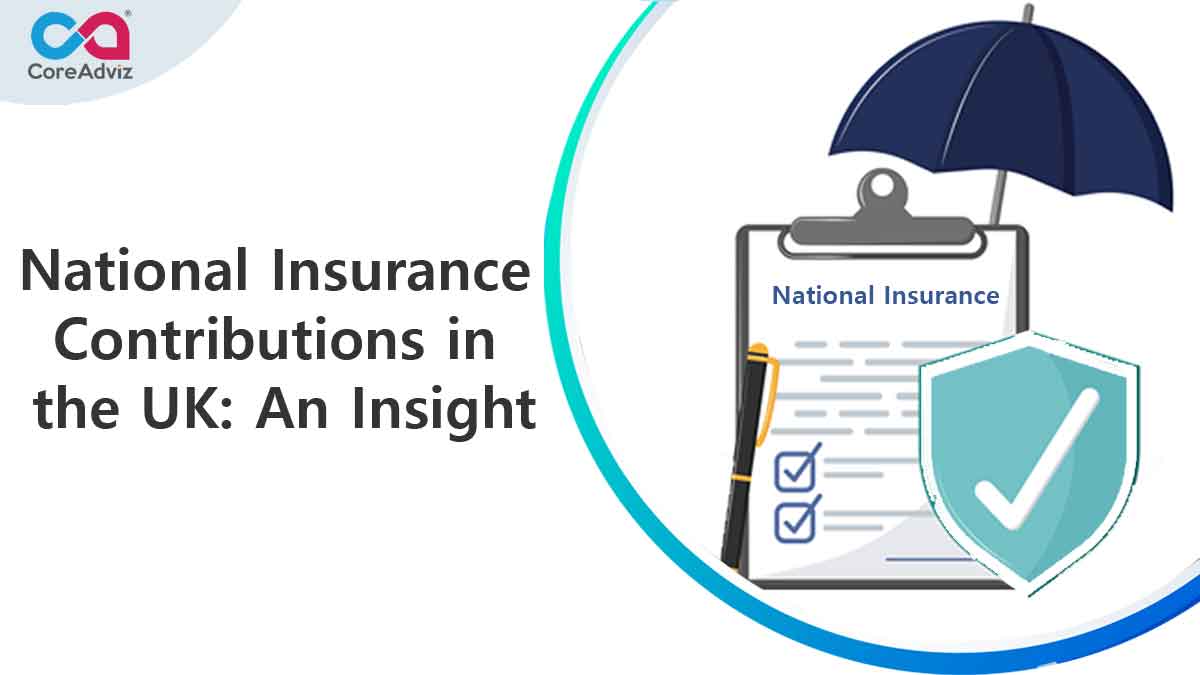
National Insurance Contributions in the UK – An Insight

With its roots in the National Insurance Act of 1911, it was only in 1943 that Prime Minister Winston Churchill spoke about a system of national insurance, compulsory for all purposes. However, it was only in the 20th century that people started to get a range of state benefits. Surely, as a UK resident, you may have substantial information. However, you may be still not aware of everything related to the NIC.
What are National Insurance Contributions (NICs)?
These are regular payments as a type of social security tax made by employees and employers. Even self-employed individuals in the United Kingdom make national insurance contributions so that various state benefits and related services can be funded. It is a myth that everyone must pay the national insurance contributions as it is mandatory in the United Kingdom. For example, if you’re under 16 or an employee whose weekly earnings are less than the primary threshold, which is currently £242 weekly from one job or are a self-employed individual whose yearly profits are less than £6,725.
Types of Classes in the National Insurance Contributions
There are four distinct classes in the National Insurance contributions.
Class 1 NICs- This is the class where both employees and their employers contribute to the National Insurance system. The NIC is deducted from the salaries of employees at a rate of 8% (if weekly earnings are £242 to £967) or 2% (if weekly earnings are more than £967), and this deduction is reflected on their pay slips. Employers also make NIC payments towards employee contributions at a rate of 13.8%.
Class 2 NICs- This is the class in which mostly self-employed individuals whose annual profit is more than £6,725 make contributions to avail of various state benefits.
Class 3 NICs- Self-employed or other individuals who choose to make voluntary national insurance contributions are included in this class. For self-employed individuals, this is even if their yearly profits are less than the set threshold, as this will help to avoid gaps in their national insurance record.
Class 4 NICs- Primarily self-employed individuals whose yearly profits are more than £12,570 make contributions under this class. It is at a rate of 6% if the profits range between £12,570 and £50,270 and 2% if it is more than £50,270.
Here, you must know that a National Insurance number is assigned to all individuals on or before their 16th birthday. It is a unique identifier similar to the Social Security number assigned to all people in the United States. It is by this National Insurance Number that their national insurance contributions are tracked. However, it is also true that despite the various measures taken by the United Kingdom government, you may feel that developing a thorough understanding of the different classes of NICs and their rates or thresholds is challenging, especially when they are subjected to change. So, hire a tax consultant from a reputed UK accountancy firm to ensure compliance and manage your national insurance contributions on time.