HomeBlog Impact of High Rate of Interest on UK Businesses
Impact of High Rate of Interest on UK Businesses

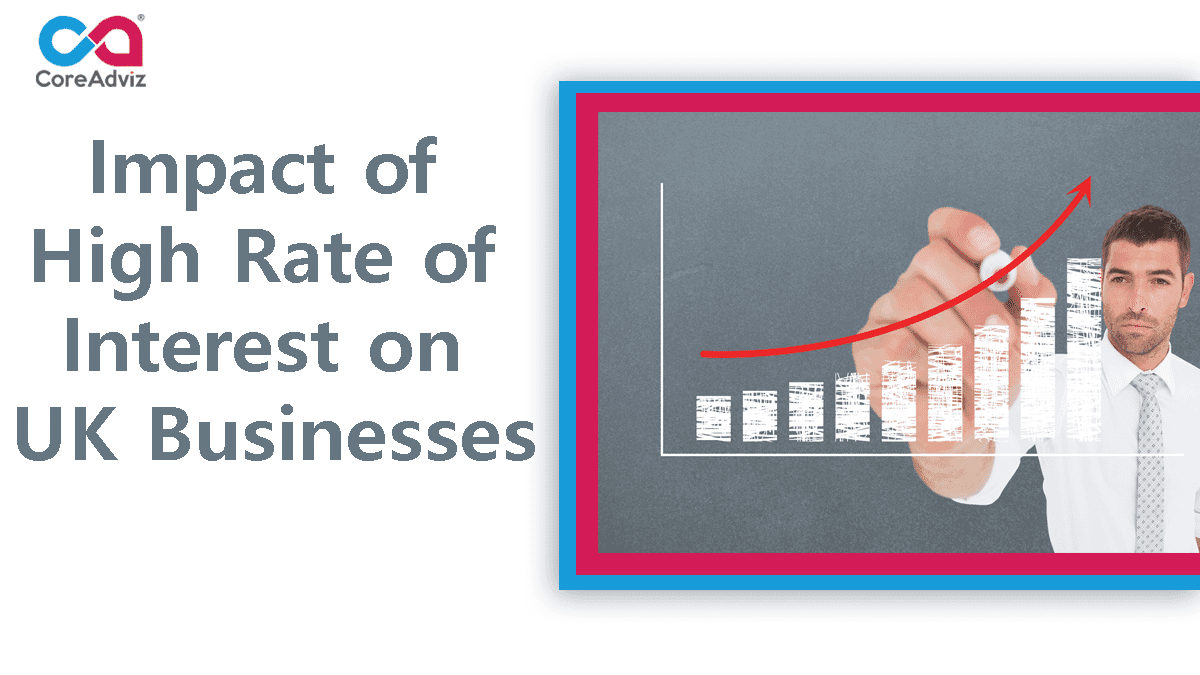
Recently, consumers have lost their confidence in the UK’s economy because of the geopolitical escalations in the Middle East and its erratic weather conditions, severely impacting economic activities. Amidst all these negativities, there is a rising expectation among traders that the Bank of England will further reduce its interest rates in the next month to drive the economy. Now question is why there is so much demand for lowering the interest rates? What will happen if these interest rates remain high? If you are an entrepreneur based in the United Kingdom, let’s understand the impact of high interest rates on UK businesses.
Rising Borrowing Costs
Are you planning to buy new machinery or apply for a loan to have some more working capital? No way! Refrain from doing such planning because higher interest rates mean high borrowing costs. Managing your business loan repayment will become difficult, especially if you run a start-up or a small business.
Let us understand the same with the example given below.
Amount of business loan = £100,000
Term of repayment of loan =5 years
Earlier interest rate=5%
Present interest rate =6% (After an increase in interest rate)
Now, you will have to make a monthly repayment of £1,933.28. Earlier, the monthly repayment was £1,887.12.
Pressure on Cash Flow
For businesses, maintaining a healthy cash flow has always remained a challenge. When you have to deal with higher loan repayments, you will have less money each month. This implies that you will have less working capital. There is a high probability that you will eventually encounter these unpleasant scenarios.
- Delayed payments: You might need to negotiate longer payment terms with suppliers.
- Reduced flexibility: Less cash on hand means fewer options to combat unexpected costs.
- Risk of insolvency: Businesses with thin margins and limited reserves may struggle to survive.
Reduced Consumer Spending
A rise in interest rate will impact not just your business. It will also have an impact on your consumers or customers. With higher mortgage and credit card payments, people have much less disposable income; which means fewer customers spending money on your products or services. Moreover, if you sell non-essential goods, expect a significant drop in sales.
Increased Supplier Costs
A hike in interest rate can severely impact your suppliers. If they encounter higher costs for purchasing raw materials, they will pass some of that burden onto you. So, you might have to shrink your profit margins and adjust your prices accordingly. The best course of action in such a scenario is diversifying the supply chain.
Higher Rental Costs
Are you running your business from rental premises? Commercial landlords often pass the additional costs of higher mortgage rates to their tenants. So, it is likely that you will experience higher rental costs that will cut your business profitability. If you are thinking of purchasing a new commercial space for your current business, rethink again because getting favourable terms will become tough.
Sluggish Business Growth
High interest rates always discourage investment. This will slow down your plans for business growth. You may have to rethink your plans of going into uncharted territories for market expansion or spending on innovative technologies. Also, delay your projects that require large capital investments because of sluggish business growth.
In short, high interest rates have a ripple effect on businesses, regardless of their size and industry domain. The key to overcoming this effect is to choose the right response. Stay flexible and keep a close tab on evolving technologies and the changing market trends. So adjust your business strategy accordingly so that your business can thrive even during such tougher times.