HomeBlog Financial Stress – How To Get Rid of It
Financial Stress – How To Get Rid of It

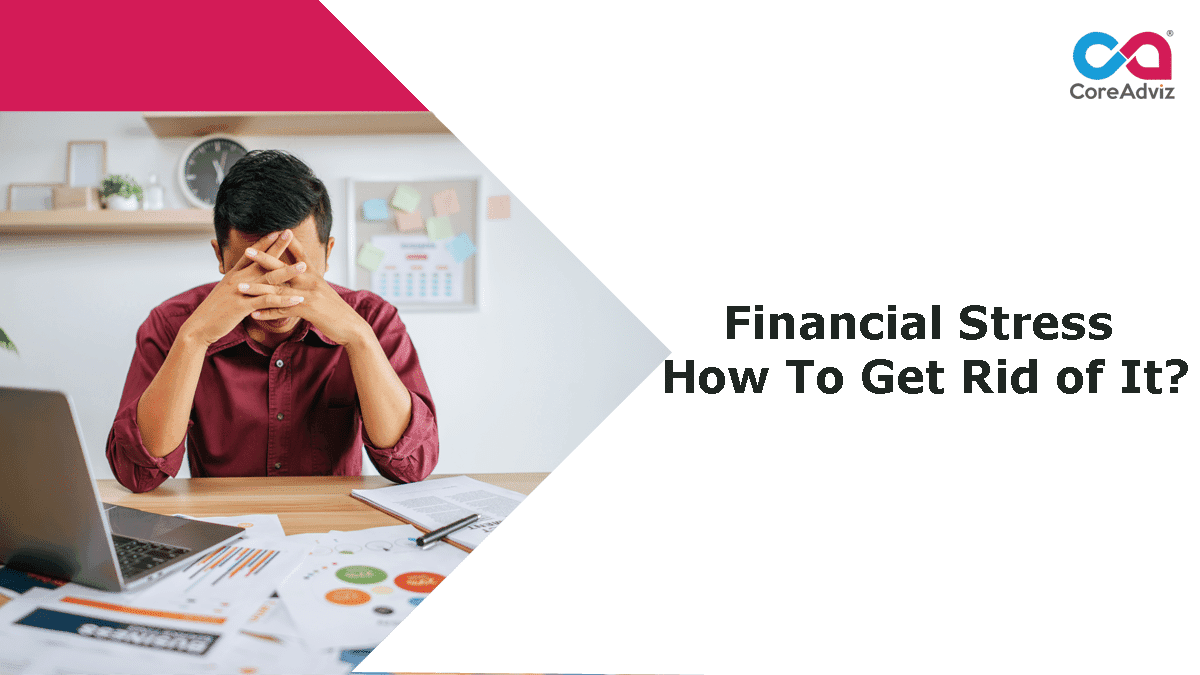
Do you feel scared about your financial condition? If yes, it is time to get rid of your constant worries. Take appropriate action so that you can tackle it smartly. Believe it or not, financial stress can hurt your emotional well-being and can even give you sleepless nights. Also, there is never a sole cause of such stress. Causes can be multiple, ranging from financial abuse to failed investments or recession. As a UK-based accountancy firm, we understand that financial stress is more common than you may think. So, here are some easy steps that you can follow to take control of your finances.
Try to prioritise your debts
Sometimes, debt is the sole reason for financial stress. So, don’t ignore the debts you owe to your family members or friends. Figure out the debts that are of high interest rates and also those that are of lowest interest rates. You can either start by paying the former or the latter based on your income and expenses. For the same, you need to create a weekly or monthly budget and identify the areas where you can cut your expenses.
Be realistic, as this should not include the mandatory expenses on rent or groceries. Instead, it should be the money you are spending on eating out regularly or an online subscription. You can use this money to pay off your debt quickly. However, do not ever forget to review your budget from time to time.
Create an emergency fund
Maybe you are feeling financial stress not because you owe any debt but because of the lack of an emergency fund that can take care of your medical emergencies or unforeseen expenses like job loss, car repair, etc. So, create an emergency fund by making small, regular contributions from your monthly income into a savings account. Avoid any temptation of money withdrawal from your emergency fund, as this may gradually deplete your savings and compel you into getting into more debt.
Avoid impulsive shopping
Shopping may seem fun, but impulsive shopping is really a bad habit that you must avoid. The rise of e-commerce has fuelled this habit because you don’t need to step out from the comfort of your house or office to indulge in shopping. So make a list of all the items that you need to shop. Don’t shop just because of seasonal sales or attractive discounts. You can also try to leave your credit card at home before going out for essential shopping. This will definitely help you to avoid impulsive shopping. So from next time onwards, whenever you get fascinated with something during shopping, remember that purchasing such items can distract you from your financial goals.
Increase your income
Despite cutting your unnecessary expenses, you may find it difficult to save regularly in your emergency fund. So, in such a case, find a means of increasing your income. You may request your boss to raise your salary or start doing some freelancing work to supplement your regular income. This can be anything, like online teaching, coding, content writing, etc. You can now use this money to build your emergency fund and relieve your financial stress.
Lastly, talk to your friends and practice meditation. This will help you to feel better and relieve your stress. Feel free to contact CoreAdviz for more such useful tips and expert professional advice. We’re always here to help you overcome your financial stress and take care of your financial well-being. We can also suggest multiple ways to reduce your taxes so that you can put your hard-earned money more into your emergency fund.