HomeBlog State Pension Meaning Explained: What It Is, How It Works and Who Qualifies in the UK
State Pension Meaning Explained: What It Is, How It Works and Who Qualifies in the UK

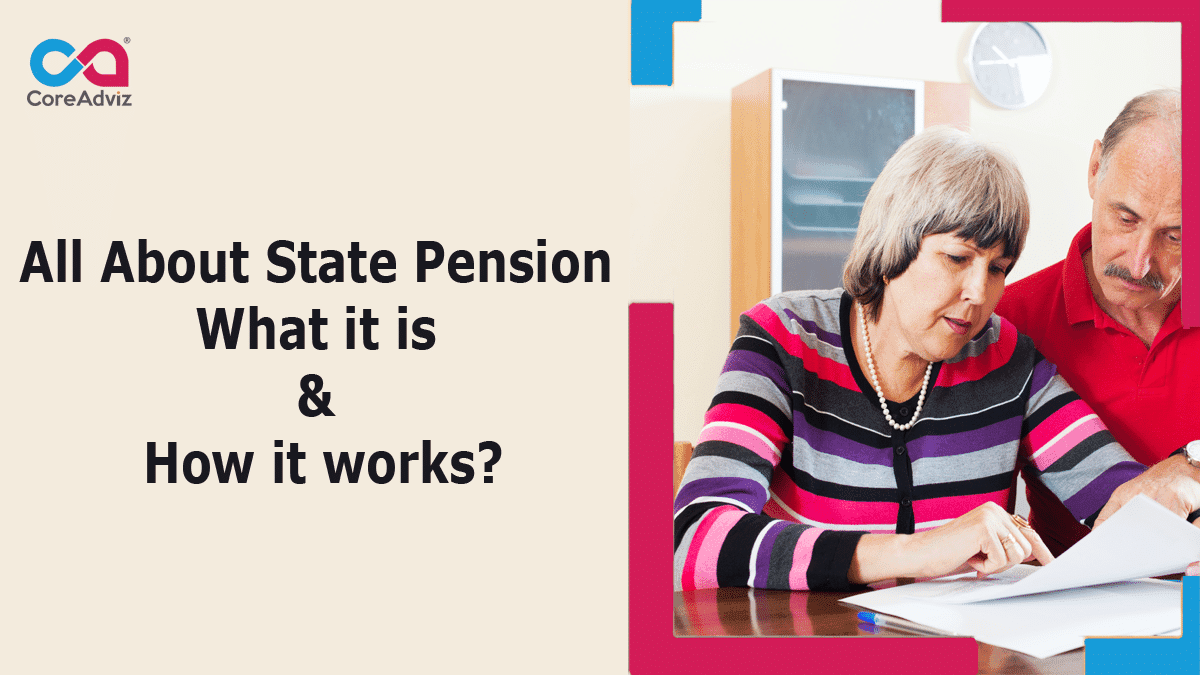
The state pension meaning in the UK refers to a regular government payment made to people who have reached the state pension age and have sufficient National Insurance contributions or credits on their record. It is one of the most important retirement income sources for UK residents, providing financial support during later life. Whether you are approaching retirement or simply want to understand your future entitlements, this guide explains the state pension meaning, the different types available, how much you could receive, and exactly how to claim it.
What Is the New State Pension in the UK?
The new State Pension is the current standard government pension payment in the UK, replacing the old basic state pension for those who reached state pension age on or after 6 April 2016. As of 2024/25, the full new State Pension is worth £221.20 per week. To qualify for the full amount, you generally need at least 35 qualifying years of National Insurance contributions or credits. The eligibility criteria differ slightly by gender. Men must have been born on or after 6 April 1951, while women must have been born on or after 6 April 1953. If your birth date falls before these dates, you will instead receive the basic state pension and possibly the additional state pension. If you have fewer than 35 qualifying years of National Insurance, you may receive a reduced amount. You need a minimum of 10 qualifying years to receive any new State Pension at all.
How Many Years of National Insurance Do You Need for a Full UK State Pension?
The number of qualifying National Insurance years you need depends on which type of state pension applies to you:
| State Pension Type | Minimum NI Years | Full Entitlement NI Years |
| New State Pension | 10 years | 35 years |
| Basic State Pension | 1 year | 30 years |
You can build up qualifying years through employment, self-employment paying Class 2 or Class 4 NI contributions, or through NI credits received during periods of unemployment, illness, or caring responsibilities. If you have gaps in your National Insurance record, you may be able to pay voluntary Class 3 NI contributions to top up your entitlement. You can check your current State Pension forecast using the government’s Check Your State Pension tool at gov.uk.
What Is the Basic State Pension and Who Gets It?
The basic State Pension applies to men born before 6 April 1951 and women born before 6 April 1953. As of 2024/25, the full basic State Pension is £169.50 per week. To receive the full amount, you need 30 qualifying years of National Insurance contributions. If you have fewer qualifying years, your payment will be proportionally reduced. Unlike the new State Pension, those entitled to the basic State Pension may also be eligible for additional state pension on top of their basic entitlement, depending on their National Insurance record and employment history.
What Is the Additional State Pension UK?
The Additional State Pension, also known as the State Second Pension (S2P) or previously SERPS (State Earnings-Related Pension Scheme), is an extra payment on top of the basic State Pension. It was available to employees who paid Class 1 National Insurance contributions before 6 April 2016. The additional state pension is only available to those who reached state pension age before 6 April 2016, meaning men born before 6 April 1951 and women born before 6 April 1953. If you qualify, you will receive it automatically alongside your basic state pension. If you did not receive it due to a gap in contributions, you may be able to inherit it through a spouse or civil partner’s National Insurance record.
How Does the UK State Pension Work? Step-by-Step Guide
The UK State Pension does not start automatically. You must actively claim it once you reach state pension age, which is currently 66 for both men and women, rising to 67 between 2026 and 2028. Here is how the process works:
- Receive your invitation letter from the government approximately two months before you reach state pension age.
Claim online, by phone or by post using the details in your invitation letter. - Request an invitation code if you are within three months of state pension age and have not received a letter.
- Provide key details including your most recent marriage, civil partnership or divorce date, any periods spent living or working abroad, and your bank or building society details.
- Consider deferring your state pension if you do not need it immediately. Deferring by 52 weeks, for example, increases your weekly payment by approximately £12.82.
Moreover, if you feel you need more information, don’t hesitate to contact experienced UK accountants. It is always advisable to seek professional guidance to know your pension options.
Plan Your Retirement With Confidence
Understanding the state pension meaning and how it fits into your overall retirement plan is an important first step. Whether you are employed, self-employed, or approaching retirement age, knowing your National Insurance record and state pension entitlement can make a significant difference to your financial future. At CoreAdviz, our UK tax and accounting specialists can help you review your National Insurance contributions, identify any gaps in your record, and plan effectively for retirement. Get in touch with our team today for straightforward, expert advice.
Speak to a UK tax and retirement planning specialist at CoreAdviz
The state pension is a regular payment from the UK government to people who have reached state pension age and have enough National Insurance contributions on their record. It is designed to provide a basic income during retirement.
The current state pension age in the UK is 66 for both men and women. This is due to rise to 67 between 2026 and 2028, and potentially to 68 in the future.
Yes. The state pension counts as taxable income. However, tax is only due if your total income in retirement exceeds your personal tax allowance, which is currently £12,570 per year.
Yes. Self-employed people who pay Class 2 or Class 4 National Insurance contributions build up qualifying years toward their state pension just like employed workers.
Yes. You can claim your state pension while continuing to work. You will still pay Income Tax on your combined earnings and pension income if they exceed your personal allowance.