HomeBlog Tax Planning for Expats: Navigating International Tax Obligations in the UK
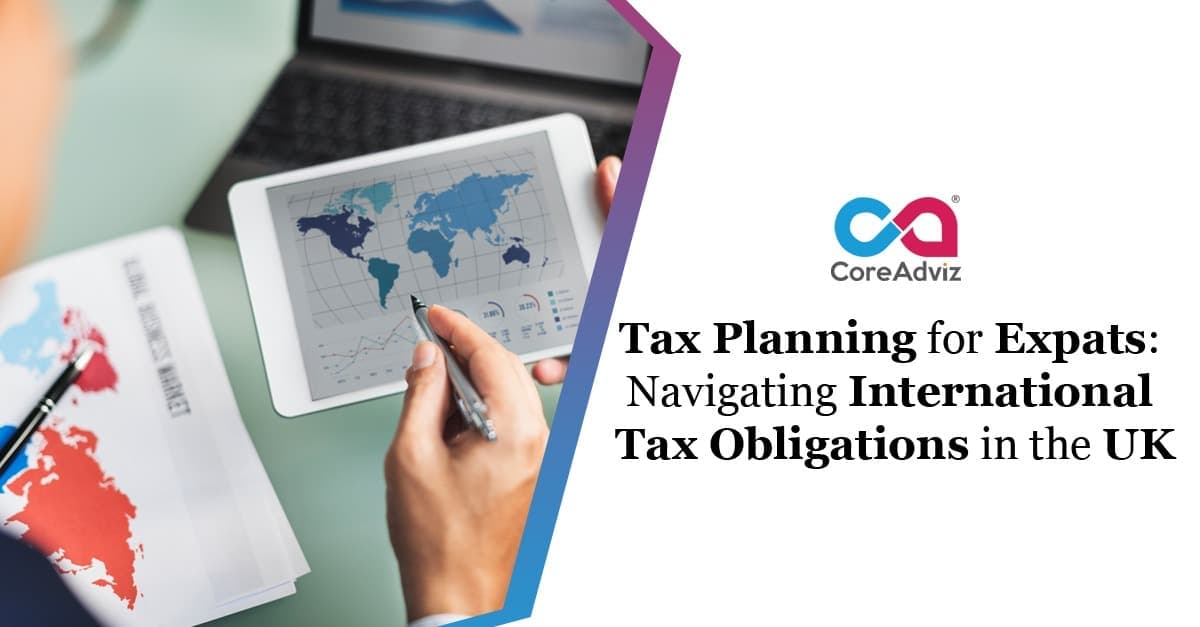
Tax Planning for Expats: Navigating International Tax Obligations in the UK

With the world becoming a global village, people are not hesitating from exploring job opportunities in other countries. While some become immigrants by moving to a different country to live and work permanently, some become expats and move to other country only temporarily. People in UK are also increasingly living and working in other countries such as Australia, Canada, France, USA, New Zealand, and so on for an extended period.
It is true that working in a distant country can be an unforgettable experience, but this also means that UK expats have the complex task of navigating their international tax obligations. There is a misconception that UK expats are not liable to pay any UK tax, which is not true under all circumstances. So, if you are planning to move from UK to any other country to seek employment opportunities or for some other reason, read the blog to ensure compliance and optimize your finances effectively.
Know Your Tax Residency Status
This is your first step to know about your tax obligations. You will be considered a resident of UK if you have lived for 183 days or more in the United Kingdom in a tax year or worked in the United Kingdom as a full-time employee for 365 days, or have your only home in the UK for last three months or more in a row, and have stayed in that home for a minimum period of 30 days in a tax year.
Understand Split Year Treatment
When you move in or out of the United Kingdom, the tax year is split into two parts. One is the non-resident part in which you will be taxed as a non-UK resident, and the other is the resident part in which you will be taxed as a UK resident. Known as the split-year treatment, this proves helpful in avoiding double taxation. However, it may happen that you are not eligible for this split-year treatment. In such a scenario, double taxation will be applicable.
Double Taxation
As the name implies, double taxation means as a UK expat, you must pay taxes on your income in both countries. This can be very tough because of more chances of errors in tax reporting and currency fluctuations. To avoid this challenging scenario, the UK government has the Double Taxation Agreements (DTAs) with several countries.
Additionally, as a UK expat, you may need to report about your foreign bank accounts and assets (if any) and remember that inheritance tax laws vary from one country to another. Again, if you have a pension account in UK, there may be some tax implications that you should be aware of. So, it is best to seek professional guidance from experts with ample expertise in expatriate taxation to have financial benefits and proper compliance with all the tax regulations. They can be helpful if you want to claim a refund of your income tax or an absolute clarity about your tax liabilities. Remember, they have the knowledge and expertise to help you at every step.