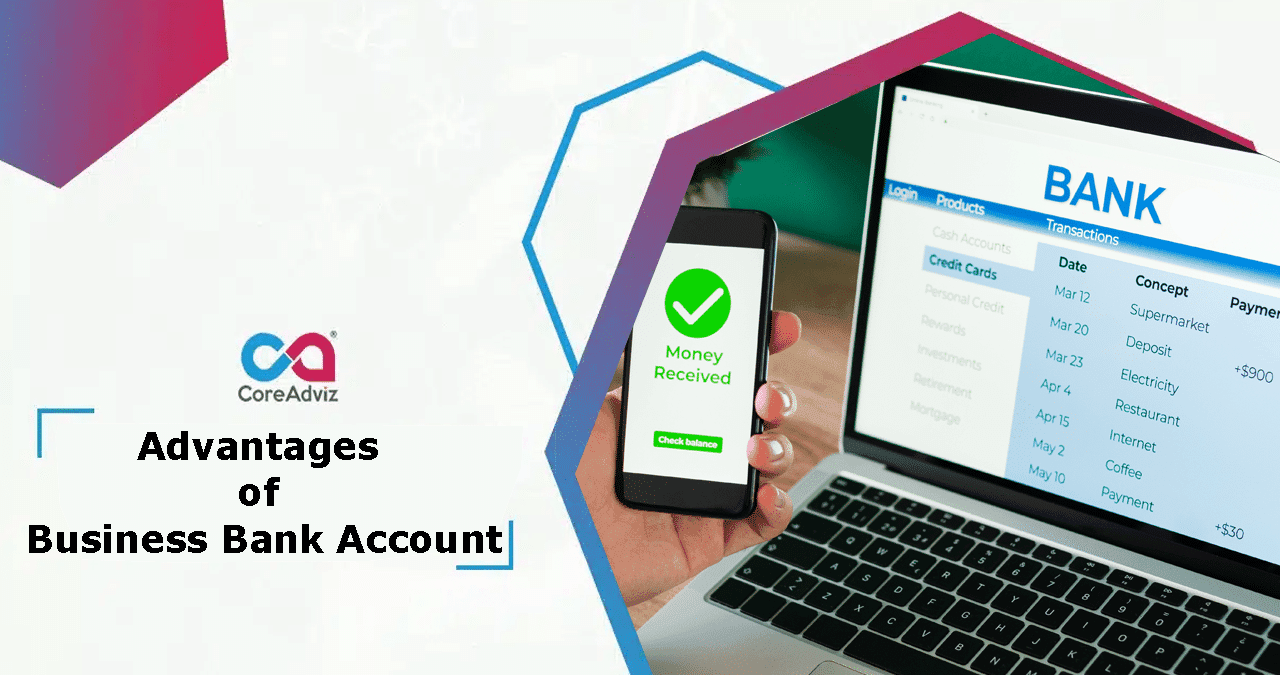
HomeBlog Advantages of a Business Bank Account in the UK
Advantages of a Business Bank Account in the UK

Opening a dedicated business bank account is one of the smartest steps any UK business owner can take. Whether you are a sole trader, a limited company, or an IT contractor, keeping your business and personal finances separate gives you cleaner records, simpler tax returns, and a more professional presence. In this guide we cover the key advantages of a business bank account and why setting one up early can save you time, money, and legal headaches further down the line.
Here are a few reasons why an entrepreneur should have a separate business bank account.
Keep Personal and Business Finances Separate
Using a personal bank account for business purposes is not a healthy practice. Maintaining business accounts separately gives clear and accurate financial records. This separation simplifies tax filing, improves financial transparency, and protects your assets in case of legal disputes. A distinct bank account helps business owners to analyse the operational cost in a much better way. Allocation of funds in different heads makes it easy.
Professional Image
A business bank account lends credibility to your company. It establishes your business identity also. Making or receiving payment through a business bank account reinforces your professional standing. Clients are more likely to trust a company that has its dedicated account than one using personal banking.
Easier Tax Preparation and HMRC Compliance
Having a separate business bank account simplifies tax preparation. Day-to-day income and expenses can be tracked more efficiently which in turn helps business owners file taxes accurately.
Access to Business Loans Credit and Overdrafts
A business bank account is often a prerequisite for applying for business loans or lines of credit. Banks and other financial institutions may require account history as proof of stable business operations. This account also helps you establish a relationship with your bank, which can be beneficial for obtaining favourable loan terms.
Improved Cash Flow Management for Small Businesses
Separate business bank account helps business owners to manage their cash flow in a much better way. All expenses can be categorized and tracked to create an organized cash flow management system that prevents overdrafts or any payment from going missing.
Transaction Limits
Business bank account has higher transaction limits than personal accounts to accommodate higher financial needs. As the deposit and withdrawal limit is high business gets huge flexibility to manage their finances. Business owners can withdraw a huge amount at a time to meet operational expenses if required. The high limits facilitate large fund transfers and payroll management.
Business Banking Features: Payroll, FX and Accounting Integrations
The bank provides many facilities to the business bank account holder. Many banks offer payroll services, automating salary payments and tax withholding for employees. Businesses involved in international trade can use foreign exchange services to buy and sell foreign currencies through banks.
Legal Protections
Operating a business through a personal bank account may put your assets at risk in case any legal action is taken. A separate bank account for a business creates a separate entity by maintaining the legal distinction between you and your business. This separation will protect personal savings, fixed assets and other valuables if the company faces any legal issues or bankruptcy.
Credit Rating
A business account gives a scope to earn a credit rating for your business. You can earn high credit ratings by maintaining healthy financial transactions. A good credit score will help you to get business loans. Most of the time creditors prefer to check your credit score before giving any loans to your business.
Build Your Business Network Through Your Bank
Many banks organize workshops, conferences and other business events to help business owners connect with others who are experts in the same business field. Without having a business account it’s impossible to take part in such events and build a good business network.
Business Bank Account vs Personal Account in the UK: Key Differences
A business bank account and a personal bank account may seem similar, but they serve very different purposes. A personal account is designed for individual use, while a business account is built to handle the financial needs of a company. Business accounts typically offer higher transaction limits, payroll management tools, invoicing features and access to business credit facilities that personal accounts simply do not provide. In the UK, limited companies are legally required to have a separate business bank account, whereas sole traders and self-employed individuals are not obligated but are strongly advised to open one. Using a personal account for business transactions can create confusion during tax time, complicate HMRC record-keeping and even breach your bank’s terms and conditions. Opening a dedicated business bank account keeps your finances organised, protects your personal assets and presents a more professional image to clients and suppliers.
Is a Business Bank Account Worth It?
Setting up a business bank account is a simple but powerful step for any UK business owner. Whether you are just starting out or want expert help managing your business finances, our team of small business accountants at CoreAdviz is here to guide you. Book a free consultation today.
Limited companies in the UK are legally required to have a separate business bank account, as the company is treated as a distinct legal entity from its directors. Sole traders and self-employed individuals are not legally obligated to open one, but it is strongly recommended. Using a personal account for business transactions can breach your bank’s terms and conditions and create complications with HMRC record-keeping.
A business bank account offers several key benefits, including clear separation of personal and business finances, easier tax preparation, improved cash flow management, access to business loans and credit facilities, higher transaction limits, and legal protection for your personal assets. It also gives your business a more professional image when dealing with clients and suppliers.
Technically, sole traders in the UK are not required by law to use a business bank account. However, many banks explicitly prohibit using personal accounts for business purposes in their terms and conditions. A dedicated business account makes bookkeeping simpler, keeps HMRC records accurate and helps you present a professional image, making it a worthwhile step even if it is not a legal requirement.