HomeBlog Adoption of Cloud-based Accounting Solutions
Adoption of Cloud-based Accounting Solutions

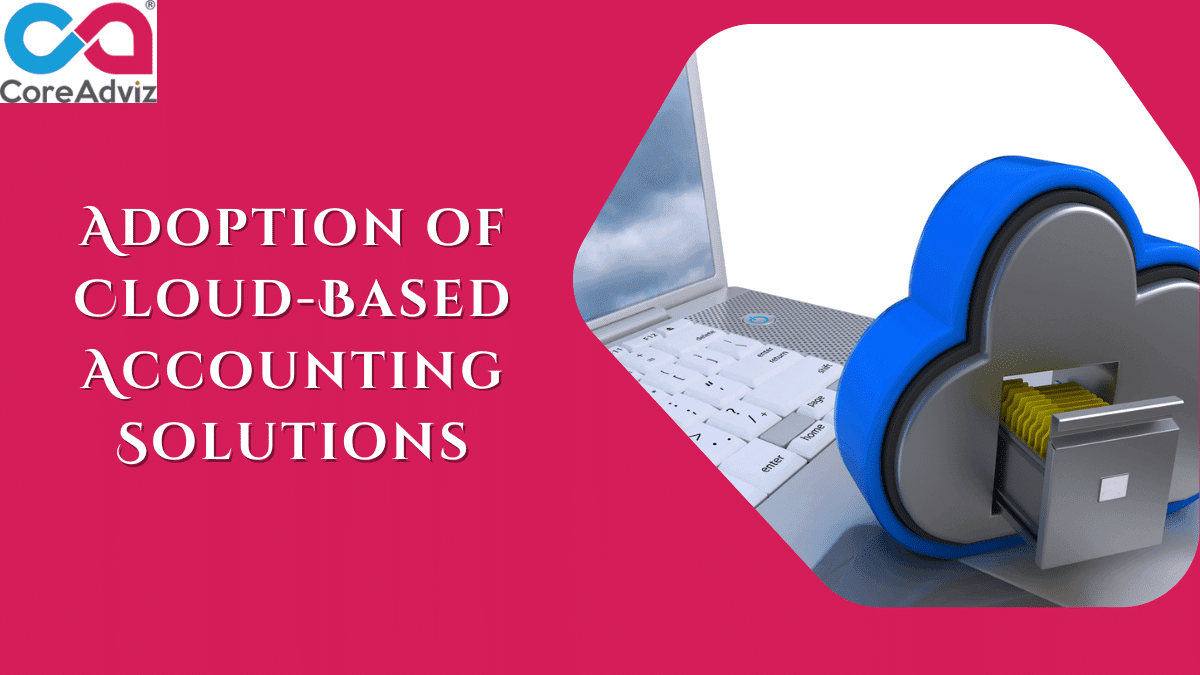
Cloud-based accounting solutions have changed the accounting world a lot in the last few years. These new platforms have changed the way businesses handle their money by giving them a faster, more flexible and cheaper option to do it. We’ll talk about the pros, cons and best ways to use cloud-based accounting solutions in this blog.
The Pros of Using Cloud-based Accounting Software
Easy to get data and flexible: Cloud-based accounting software lets customers see their financial information from any device with an internet connection at any time and from anywhere. This flexibility is especially helpful for companies with teams that operate from home or people who need to work on the fly.
Scalability: Cloud-based solutions can expand with your organization, handling more transactions and users without the need for costly hardware updates.
Cost-Effectiveness: Most cloud-based accounting systems work on a subscription basis, so you don’t have to spend a lot of money up front on software and infrastructure.
Automated Updates: Cloud-based solutions automatically get the latest features, security updates and compliance needs.This makes it easier for organizations to keep up with all of these things.
Better cooperation: Cloud-based accounting systems let several people work on the same financial data at the same time, which makes cooperation easier and more accurate.
Cloud-based solutions give organizations real-time financial information, which helps them make smart choices and react fast to changes in the market.
Problems and Worries
Data Security: Data security is one of the most important things to think about when using cloud-based accounting software. You need to think how safe your data is. Businesses need to be sure that the system they choose has strong security features like encryption, two-factor authentication and safe data centers.
Dependence on Internet Connectivity: For cloud-based solutions to work, businesses need a stable internet connection. Businesses who don’t have stable internet access may face problems to monitor financial data.
Integration with Current Systems: Cloud-based accounting solutions may need to work with current business systems, such as CRM or ERP platforms. To avoid data discrepancies and duplication, it is very important to make sure that everything works together smoothly.
Training and Support: Businesses may need to spend time and money both for training of their employees on how to utilize cloud-based accounting software correctly. It is important to get enough help from the solution provider to fix any technical problems or answer any questions.
Best Ways to Adopt
Look at what the business needs: Carefully think about what your firm needs in terms of managing its finance and then pick a cloud-based accounting solution that meets those demands.
Look at the solution providers: Look into and compare several solution providers. Businesses must consider the following things like security, scalability and customer service before hiring any solution provider.
Make a Migration strategy: To make sure that the move from your current accounting system to the cloud-based solution goes smoothly, make a detailed migration strategy.
Give training and help: Make sure your employees can use the cloud-based accounting solution by giving them training and support.
Check and evaluate: Regularly check and evaluate your cloud accounting system and ensure that it serves your business requirements. Check if it’s a good one that you are using and assisting you in discovering new ways to improve it.
Popular Cloud-Based Accounting Software
QuickBooks Online is an accounting software that exists online and is utilized by most small businesses. It possesses features such as invoicing, expense tracking and generating financial reports.
Xero is an accounting software in the cloud designed for small and medium-sized business. It possesses sophisticated features such as project management and inventory tracking.
Zoho books is an accounting cloud system that has features such as invoicing, inventory management and project management. It is compatible with other Zoho applications.
SAP Concur is an accounting and expense management cloud solution for large businesses. It boasts features like expense reporting and invoice processing.
Conclusion
Cloud-based accounting solutions have changed the way businesses handle their money. They provide several benefits like more flexibility, scalability and lower costs. There are problems and worries but with careful planning, appraisal and implementation you can make the switch to a cloud-based accounting solution. You can get the most out of cloud-based accounting and make money by following best practices and choosing the correct solution for your business needs.